Beautiful Ikat Embroidery: A Designer's Real-World Review
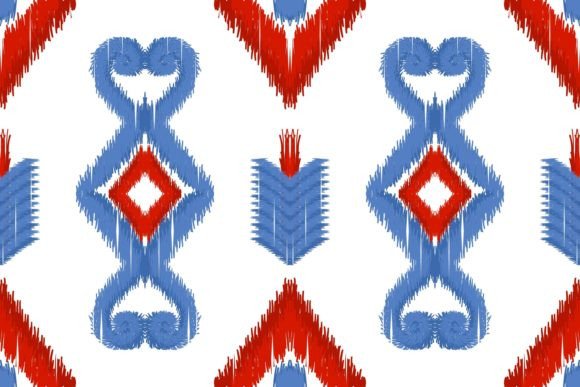
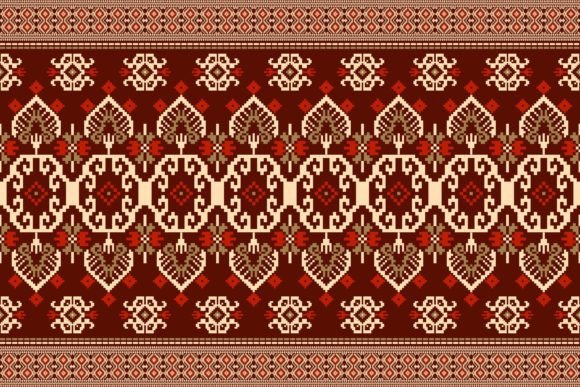
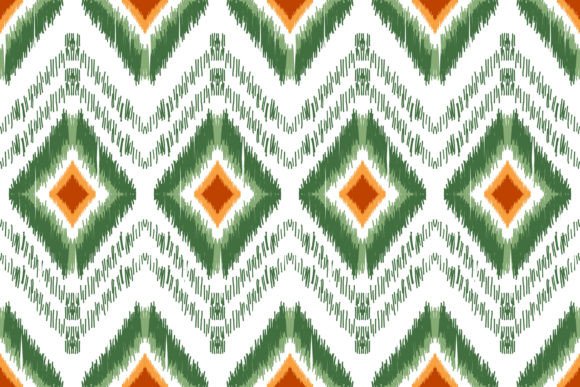
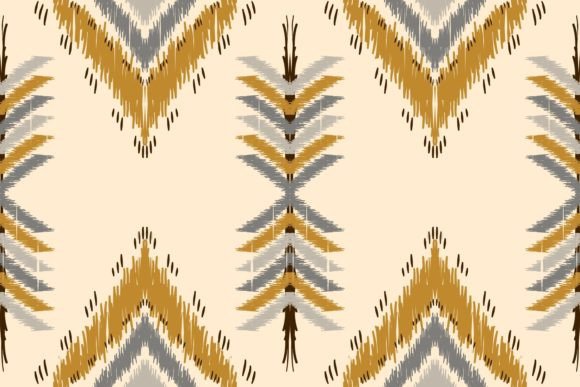
When I first opened the file for Beautiful Ikat Embroidery, my immediate thought wasn't about the technical specs or the file format. It was about the mood. There is a specific energy that comes from geometric ethnic patterns, and this design captures it perfectly. As someone who has spent years turning digital graphics into tangible handmade products, I look for designs that don't just fill space but tell a story. This piece feels like a modern rug brought to life in thread, offering a seamless blend of Aztec style and abstract illustration that works surprisingly well on cream backgrounds.
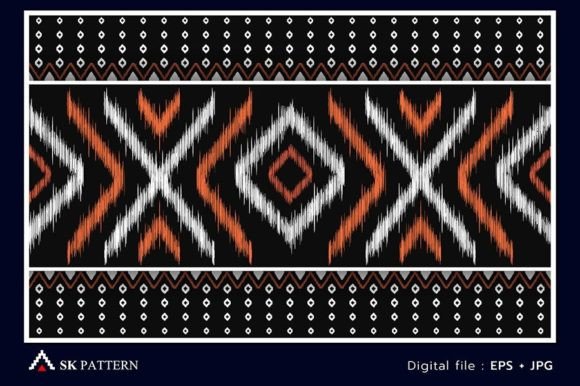
The prompt describes this as a Patterns category item within Graphics, but let's be honest: in the world of machine embroidery, "graphics" can often feel flat or too rigid. What makes Beautiful Ikat Embroidery stand out is its texture. The geometric shapes are arranged in a way that suggests movement, which is crucial when you are translating a 2D image into a 3D stitched surface. It creates an atmosphere that is both bohemian and structured, making it a versatile asset for anyone looking to elevate their craft business.
From Screen to Stitch: A Real-Life Scenario
Let me walk you through how I envision using this design in a real project. Imagine you are preparing a custom embroidered tote bag for a local artisan market. You want something that stands out on the rack without being overwhelming. Most sellers default to simple floral motifs or basic text, but you want to offer something with more visual weight. This is where Beautiful Ikat Embroidery shines.
I tested the concept by placing the design on a mockup of a heavy canvas tote. The geometric ethnic pattern acts as a perfect background texture rather than a focal point logo. When stitched, the interplay of the lines creates a rich, tactile surface that invites people to touch the bag. It transforms a standard utility item into a boutique product. If you are an Etsy seller or running a small shop, this kind of design adds perceived value. Customers are willing to pay more for items that look professionally designed and thoughtfully executed.
Now, consider a different angle: baby clothes. Parents often gravitate towards soft, neutral tones with subtle patterns. Applying this design to a baby blanket or a onesie using a cream background fabric allows the embroidery threads to pop without being harsh. The abstract nature of the pattern means it doesn't date quickly, making it a safe bet for long-term sales. Whether you are creating holiday gifts or personalized gifts for a newborn shower, Beautiful Ikat Embroidery offers a sophisticated alternative to the typical stars-and-stripes or animal prints.
Performance on Different Fabrics and Products
Not all embroidery files are created equal, and the success of Beautiful Ikat Embroidery depends heavily on the substrate. In my experience, this design performs best on stable, medium-to-heavyweight fabrics. Think denim sweatshirts, thick cotton aprons, or structured pillow covers. The geometric lines hold their shape beautifully when there is enough fabric stability to support the stitch density.
If you are thinking about sweatshirt embroidery, this design is a winner. The Aztec style complements the casual vibe of hoodies and crewnecks perfectly. However, you need to be careful with stretchy fabrics like thin jersey t-shirts. Without proper stabilizer techniques, the tension required for the fill stitches might cause the fabric to pucker, ruining the clean lines of the ikat pattern. For custom apparel, always test your hoop size and stabilizer choice before committing to the final piece.
What about smaller items? I have seen designers try to use large seamless patterns on tiny patches or caps. While Beautiful Ikat Embroidery is detailed, scaling it down too much can lead to muddy details. The intricate corners of the geometric shapes might get lost if the hoop size is too small. For embroidered patches, this design works best when used as a border or a background element rather than the entire patch. Similarly, for kitchen towels, the design fits well as a central medallion or a wide band across the bottom, adding a decorative accent without cluttering the workspace.
Where to Exercise Caution
As a reviewer, I must highlight the limitations to ensure you don't waste time and thread. Dark fabrics present a challenge here. The description mentions a cream background, which implies the design relies on contrast. If you plan to embroider this on dark fabric, you will likely need a heavy underlay or a white backing to make the colors pop. Otherwise, the design could look dull or washed out.
Layered garments are another area to watch. If you are stitching directly over pockets or seams on a jacket, the uneven surface can distort the geometric precision of the pattern. Curved surfaces like baseball caps require a specialized cap frame and careful digitizing. While the design is abstract, tight curves on a hat brim can sometimes cause the satin stitches to break or skip if the machine isn't calibrated correctly.
Dense stitch areas are common in geometric patterns, so check your thread colors carefully. Using too many contrasting colors in a small space can create a busy visual effect that loses the elegance of the ikat style. Sometimes, less is more. Stick to a cohesive palette—perhaps earth tones or muted pastels—to maintain the modern, artistic feel of the original illustration.
Practical Notes for the Design Professional
Before you start your next embroidery project, there are a few critical steps to take. First, always test the design on scrap fabric. This is non-negotiable. You need to verify the stitch density and see how the threads interact with the specific material you are using. Does the running stitch look clean? Are the fill stitches covering the fabric adequately without causing puckering?
Review the file for compatibility. While the product description highlights the visual aspects, it does not specify exact stitch counts or file formats. If you are selling finished items, you must confirm the licensing terms. Can you sell unlimited copies of the product, or is there a limit per order? Clarifying these details protects your craft business and ensures you stay compliant with intellectual property laws.
Don't forget to inspect small details. Zoom in on the digital preview and look for any jagged edges or loose threads in the vector data. If the design includes applique elements, ensure they are clearly defined. For commercial embroidery, consistency is key. Every single tote bag or pillow cover you produce should look identical to the one before it. Proper stabilizer usage is essential to achieve this level of professionalism.
Finally, think about the end user. Will this design survive frequent washing? Geometric patterns with high stitch density generally hold up well, but testing the durability is smart practice. If you are creating a digital embroidery file for others to use, include instructions on recommended stabilizers and thread types to help them achieve the best results.
In conclusion, Beautiful Ikat Embroidery is a strong addition to any designer's library. It bridges the gap between traditional ethnic aesthetics and modern graphic design, offering a flexible tool for everything from holiday embroidery to boutique branding. By understanding its strengths and respecting its limitations, you can turn this digital asset into a stunning finished product that customers will love. Whether you are a hobbyist maker or a seasoned entrepreneur, this design provides the visual punch needed to make your work stand out in a crowded marketplace.