Dining Table Mat Kitchen Embroidery Review
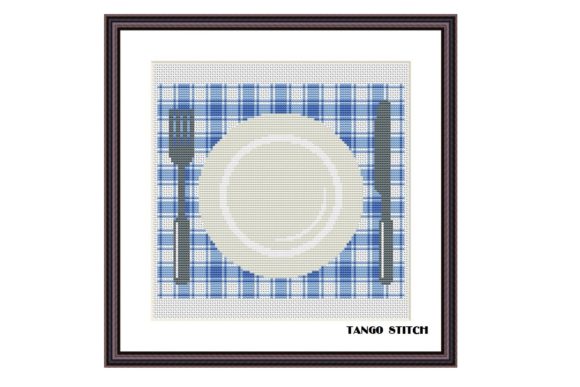
As an experienced embroidery designer who has spent countless weekends prepping booths for local craft fairs and managing a busy handmade shop, I know that the difference between a design that sits in your digital library and one that actually sells comes down to context. Today, I am reviewing a specific asset titled Dining Table Mat Kitchen Embroidery. This piece is categorized under Cross Stitch Patterns and Graphics, described specifically as a Tango Stitch design that utilizes only full stitches. It claims to be suitable for both beginners and experts, which immediately caught my eye. But does it have the "booth magnet" quality needed to convert browsers into buyers? Let's dive into a real-world evaluation of how this design performs when turned into tangible products.
First Impressions: The Vibe Check
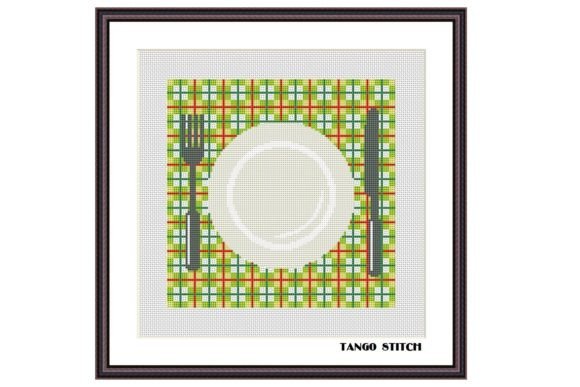
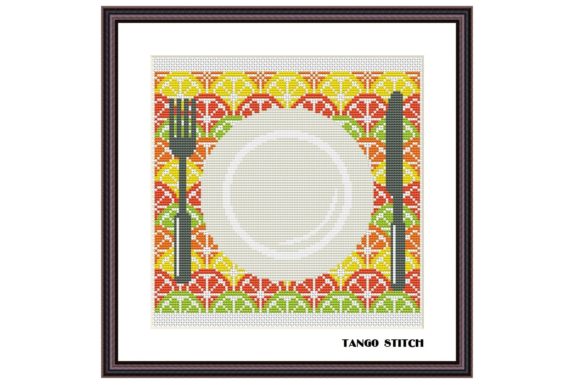
The title Dining Table Mat Kitchen Embroidery suggests a classic, functional aesthetic. When I look at the description highlighting a Tango Stitch pattern with only full stitches, I envision something clean, structured, and likely rustic or farmhouse-inspired. In the world of handmade goods, simplicity is often the highest form of elegance. A design that relies on full stitches rather than complex satin fills or intricate lettering tends to photograph beautifully and looks crisp from a distance. For a craft fair table, where customers might be scanning dozens of items quickly, a design that feels bold yet minimal can stand out against more cluttered patterns. It strikes a balance between decorative and utilitarian, making it perfect for kitchen-centric gifts.
Product Potential: Where Does It Shine?
In my experience testing designs for market readiness, the application is everything. Let's evaluate how Dining Table Mat Kitchen Embroidery translates across various high-demand categories.
- Tote Bags and Market Bags: This is a top-tier category for tote bag design. The sturdy canvas or cotton blend used for these bags provides an excellent surface for cross-stitch styles. A simple Tango Stitch design here acts as a charming focal point without overwhelming the fabric. It signals to the buyer that this is a durable, everyday carry item.
- Aprons and Tea Towels: For apron embroidery and tea towel embroidery, this design hits the sweet spot. Kitchens are the heart of the home, and items like aprons need to feel welcoming. The full stitch nature of this pattern ensures that even after multiple washes, the texture remains distinct. It creates a cozy, inviting atmosphere that appeals to homeowners looking for handmade product accents.
- Patches and Caps: If you are producing embroidered patches, the simplicity of the design is a major advantage. Complex details often get lost when stitched onto the curved surface of a cap or the small area of a patch. However, a Tango Stitch design with clear lines works exceptionally well here. It maintains clarity and looks professional on denim or felt backgrounds.
- Home Decor: Pillow covers and small pouches are another strong avenue. The design allows for repetition, meaning you could create a set of matching pillows or a collection of gift pouches. This repeatability is crucial for batch production in a small business setting.
Visual Appeal and Customer Attention
When setting up a booth display, visual hierarchy is key. Dining Table Mat Kitchen Embroidery offers a soft, approachable look that invites touch. Customers at craft fairs love to run their fingers over the texture of the stitching. Because this pattern uses only full stitches, it creates a raised, tactile surface that feels premium. It elevates the perceived value of the item. A plain tea towel becomes a keepsake when adorned with a well-executed, textured design. This tactile engagement often leads to higher conversion rates because the customer feels they are buying a unique, artisanal piece rather than mass-produced merchandise.
Production Practicality: What the Designer Needs to Know
For the Etsy seller or commercial embroidery business owner, efficiency is money. The fact that this design uses only full stitches is a significant production benefit. It generally means faster digitization and fewer thread changes compared to complex fill patterns. However, there are practical considerations before you start churning out inventory.
First, consider the stitch density. Even simple designs can become problematic if the spacing is too tight. On thick fabrics like heavy canvas or textured towels, dense areas might cause puckering. You must ensure the design has enough negative space to breathe. Second, think about the hoop size. If you plan to use this on smaller items like caps or pouches, verify that the dimensions fit comfortably within standard hoops without cutting off essential elements. Always test the design on scrap fabric first to check how the thread colors interact with your specific material.
Another critical factor is the stabilizer. Cross-stitch style designs often require a cut-away stabilizer to maintain structure, especially on stretchy knits. Using the wrong stabilizer can result in a finished product that looks wavy or uneven. Furthermore, if you are selling digital embroidery files or using them for printable mockups, ensure the resolution is high enough to show the individual stitch definition in your photos. Online buyers cannot touch the fabric, so your images must convey the texture through lighting and close-ups.
Careful Use Notes and Limitations
While this design is versatile, it is not without its limitations. Be cautious when attempting to scale this down for very small items. Tiny details in a cross-stitch pattern can lose clarity if the final product is too small. Additionally, dark fabrics can sometimes obscure the definition of lighter threads unless you use a high-contrast color palette. If you are working with textured towels, the weave of the fabric might interfere with the uniformity of the stitches. In such cases, a backing stabilizer is non-negotiable to prevent the fabric from distorting.
Also, remember that while the description mentions suitability for beginners and experts, the complexity of the layout matters. If the design includes small lettering or intricate borders, double-check that these elements will remain legible after washing. Commercial embroidery standards require durability, so always inspect the finished product for loose threads or skipped stitches before listing it as a small shop product.
Final Verdict for the Creative Entrepreneur
Overall, Dining Table Mat Kitchen Embroidery appears to be a solid addition to any design assets library for craft fair sellers. Its focus on full stitches makes it forgiving, reproducible, and visually appealing. It fits perfectly into the current trend of farmhouse and rustic aesthetics that dominate the handmade market. Whether you are creating gifts for the holidays or expanding your line of kitchen accessories, this design offers a reliable foundation for building a cohesive brand.
To succeed, treat it as part of a larger strategy. Create a series of mockups showing the design on different items—a tote bag next to a tea towel, or a patch on a cap. This helps customers visualize the versatility of the embroidery file. Remember to confirm your commercial licensing terms before selling finished goods derived from this graphic. By paying attention to the nuances of fabric choice, stabilization, and presentation, you can turn this simple pattern into a best-selling staple for your handmade business.