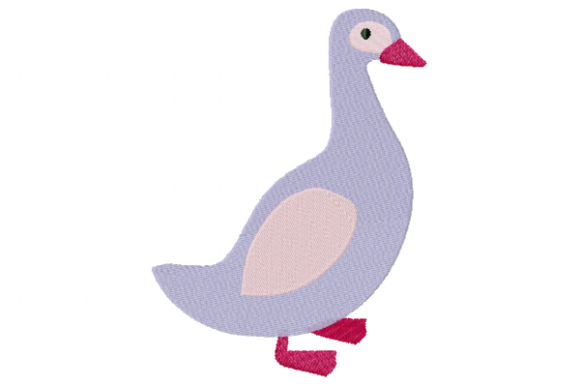
Duck Embroidery: A Designer's Review for Craft Fairs
Stepping into the world of handmade market products requires more than just a good eye; it demands a critical understanding of what translates from a digital file to a tangible item that customers will want to take home. As an experienced embroidery designer, I recently reviewed a design titled Duck Embroidery with the specific intent of evaluating its potential for my weekend craft fair booth and online shop. The prompt describes this as a beautiful machine embroidery design suitable for clothes or children's gifts, available in multiple formats. While the description is brief, the implications for a boutique maker are significant. In this review, I break down exactly how this design performs on real-world products, where it shines, and the practical considerations every Etsy seller and creative entrepreneur must address before hitting the production line.
First Impressions: The Vibe Check
When I first encountered the concept of Duck Embroidery, my mind immediately went to the "farmhouse" and "rustic" aesthetic that dominates current trends in handmade goods. The title suggests something playful yet grounded. For a craft fair product, this is a winning combination. It feels soft and approachable rather than stiff or overly corporate. Unlike some bold, graphic designs that scream for attention, a duck motif often whispers a sense of whimsy that appeals to parents, gift buyers, and anyone looking to add a touch of nature-inspired charm to their wardrobe.
The description highlights its suitability for children's gifts, which signals a high demand sector. However, as a professional reviewing this for commercial use, I see versatility beyond just kids' items. This design has the potential to bridge the gap between a cute accent piece and a focal point on adult apparel. If the execution balances detail with simplicity, it can easily fit into a modern, minimal collection or a cozy, decorative kitchen display. The key lies in how the stitch density and thread colors interact with the fabric texture.
Product Potential: Where Does It Sell Best?
Imagine setting up your table display at a local artisan market. You have tote bags, aprons, tea towels, patches, caps, small pouches, and pillow covers ready to go. Where does Duck Embroidery stand out the most? Based on my experience with similar bird motifs, the highest conversion rates usually come from functional items used in daily life.
- Tote Bags: A tote bag design featuring ducks is a classic bestseller. It offers a large canvas where the design can breathe. Customers love carrying a bag that looks handmade and unique. The durability of the embroidery here ensures the design survives repeated washing, adding value to the finished product.
- Apron Embroidery: For the home cook or baker, an apron embroidery piece is a perfect gift. Ducks evoke feelings of breakfast, brunch, and country living. Placing the design on the bib or pocket area creates a charming focal point that photographs beautifully for online listings.
- Tea Towel Embroidery: Kitchen linens are a staple for any Etsy seller. A tea towel embroidery project allows for quick turnaround times. Since towels are often white or neutral, the contrast of the thread colors will make the design pop, drawing immediate attention from passersby at a craft fair.
- Embroidered Patches: One of the most profitable angles is turning the design into an embroidered patch. These can be sold individually or applied to denim jackets and beanies. Patches are low-cost to produce but carry a high perceived value if the backing is clean and the stitching is dense.
- Caps and Small Pouches: For smaller items like caps, the design needs to be scaled correctly. A small shop product like a pencil case or cosmetic pouch allows you to sell lower-priced impulse buys alongside larger items, increasing your average order value.
Visual Appeal and Photography Strategy
In the digital marketplace, your customer cannot touch the product; they only see the photo. Therefore, the visual appeal of Duck Embroidery is paramount. When photographing these items for printable mockups or direct product shots, natural light is essential to capture the true depth of the stitches. A well-executed design should look textured and tactile even through a screen.
This design works exceptionally well as a medium-sized accent. It is not so small that it gets lost on a dark shirt, nor so large that it overwhelms a small child's outfit. For commercial embroidery success, the design must photograph well against various backgrounds. If the threads have a sheen, ensure your lighting doesn't create harsh glare that obscures the details. The goal is to convey the quality of the handmade product so clearly that the buyer feels confident in the purchase without seeing it in person.
Practical Production and Selling Points
Moving from inspiration to inventory requires careful planning. Is this design easy to understand at a glance? Yes, a duck is universally recognizable, which reduces the cognitive load for the buyer. However, production efficiency matters. Can this design be repeated for batch production? If the file is optimized, you can run multiple items in a single hoop sequence, saving time and stabilizer costs.
When considering the stitch density, remember that dense areas can cause puckering on lightweight fabrics. If the design includes tiny details, such as a beak or eye, test these on scrap fabric first. Tiny details often get lost on thick fabrics or textured towels. Similarly, if you plan to use this on curved cap surfaces, the design may need digitizing adjustments to accommodate the curvature, or it might lose clarity when viewed from the side.
For those selling digital embroidery files themselves, the description mentions multiple formats, which is excellent for compatibility. However, before listing these as assets, verify the specific hoop size requirements. If the design exceeds standard 4x4 hoops, you will need to split the file or use larger commercial machines, which limits your customer base to serious hobbyists or businesses.
Critical Use Notes and Quality Control
To maintain brand consistency and ensure customer satisfaction, there are several cautionary notes to keep in mind. Dark fabrics require a different approach than light ones; you may need to adjust the underlay or choose lighter thread colors to ensure the design remains visible. Thick fabrics, like heavy canvas or denim, can distort the shape if the stabilizer isn't robust enough.
One common pitfall is ignoring the fabric texture. On a rough, slubby linen, fine lines might disappear. On a smooth cotton sateen, the same lines will look crisp. Always compare fabric colors before committing to a full production run. Additionally, designs that rely on small lettering or intricate outlines can suffer when shrunk down for small products like patches. If the original file lacks clear instructions on scaling, assume the smallest version will be the hardest to execute cleanly.
Designer's Checklist for Success
Before you turn Duck Embroidery into your next best-seller, follow these professional steps to ensure a flawless result:
- Test on Scrap Fabric: Never skip this step. Run the design on the exact type of fabric you intend to sell to check for puckering or distortion.
- Check Thread Contrast: Ensure the thread colors provide enough contrast against the final product color. A subtle design on a dark background can look muddy.
- Review Spacing and Hoop Size: Confirm the hoop size fits your machine and leaves enough margin for handling. Adjust spacing if placing the design near seams or edges.
- Inspect Stitch Density: Look closely at the finished sample. Are there gaps in the fill? Is the top layer too tight? High-quality finished product depends on balanced density.
- Use the Right Stabilizer: Match the stabilizer to the fabric weight. A stretchy knit needs a different support system than a stable woven cotton.
- Create Real Mockups: Don't rely solely on digital renders. Create at least one physical sample to photograph for your Etsy listings.
- Confirm Commercial Licensing: Before selling finished goods, double-check the license terms associated with the digital embroidery file. Some licenses allow personal use only, while others permit commercial sales.
Ultimately, Duck Embroidery represents a fantastic opportunity for creative entrepreneurs. It taps into a beloved subject matter that resonates with a wide audience. By paying attention to the technical details—like stabilizer choice, thread selection, and fabric texture—you can transform a simple digital file into a premium, handcrafted item that stands out in a crowded market. Whether you are building a booth display or expanding your online catalog, this design has the potential to become a staple in your collection of birds and nature-themed art.