Embroidery Fabric Texture Backgrounds
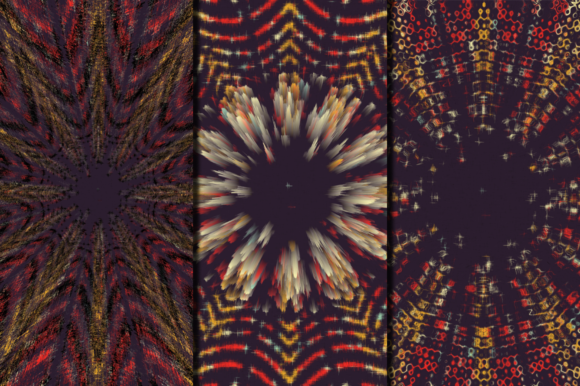
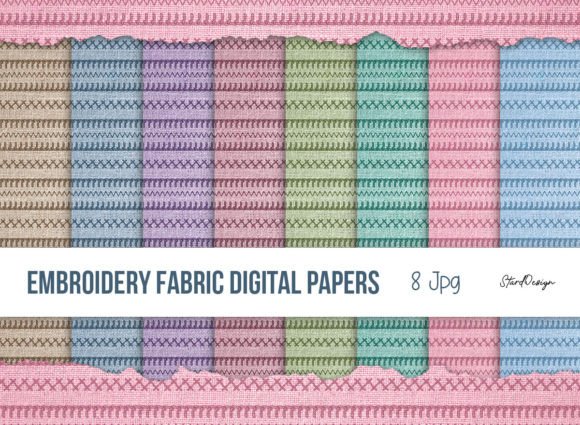
I have been stitching for over a decade, and I know exactly what makes a craft fair product stand out on a crowded table. When I first saw the collection titled Embroidery Fabric Texture Backgrounds, my mind immediately went to the weekend market setup. As an experienced designer, I am always looking for that secret weapon—a design element that adds depth, premium quality, and visual interest without overwhelming the main motif. This collection of 10 digital art Mixed Embroidery fabric texture backgrounds is not just a simple graphic; it is a foundational tool for any serious handmade business owner.
The First Impression: Depth and Authenticity
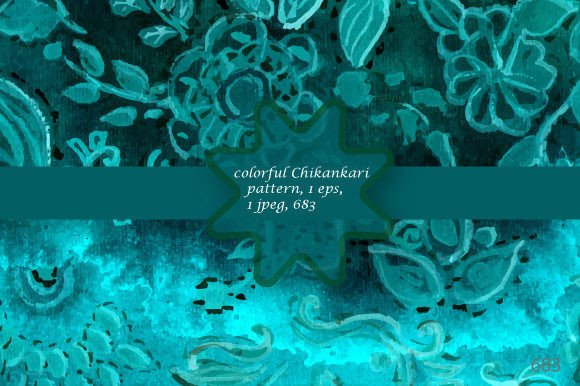
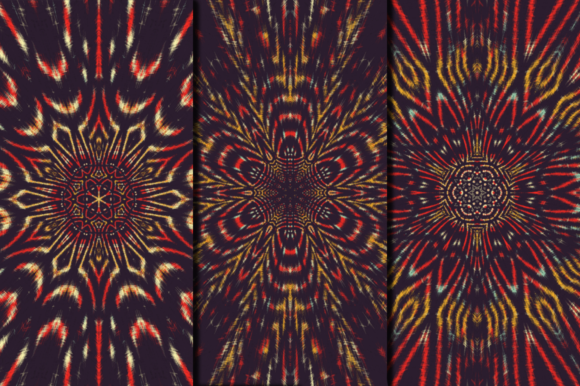
In the world of handmade goods, customers want to feel the texture even through a screen or from a distance. The immediate feeling of these backgrounds is one of tactile realism. They do not look like flat, boring fills. Instead, they mimic the complex interplay of threads found in high-end textile work. Whether you are aiming for a rustic farmhouse vibe or a modern boutique aesthetic, this set offers a versatile palette of textures that elevate the perceived value of your finished item.
When you place a simple logo or a cute character over a plain white background, it can sometimes feel two-dimensional. However, when you layer that same design over the intricate details provided by Embroidery Fabric Texture Backgrounds, the entire piece suddenly pops. It suggests that the item was crafted with care and attention to detail. For an Etsy seller or a small shop product creator, this distinction is often the difference between a casual browse and a confident purchase.
Transforming Standard Items into Market Winners
Let’s imagine setting up your booth at a local craft fair. You have rows of tote bags, aprons, tea towels, caps, patches, small pouches, pillow covers, and giftable handmade items. How does this collection change the game?
Tote Bag Design: A plain canvas tote is common. But a tote featuring a subtle, textured background behind a bold monogram screams "boutique." The texture catches the light as shoppers walk by, drawing their eyes to your display. It transforms a basic utility item into a fashion statement.
Apron Embroidery and Tea Towel Embroidery: In the kitchen, texture implies durability and warmth. Using these designs on apron embroidery or tea towel embroidery creates a cozy, inviting atmosphere. The mixed styles allow you to create a cohesive line where every item feels part of a curated collection rather than random additions.
Embroidered Patches and Caps: For caps, the texture can add a vintage, worn-in look that appeals to younger demographics. On embroidered patches, the background provides a rich contrast that makes the central image pop, ensuring the patch looks professional even when attached to denim jackets or beanies.
Pillow Covers and Market Bags: These are high-ticket items for a craft fair. Customers want to see value. A pillow cover with a sophisticated fabric texture background justifies a higher price point because it looks like custom millwork. Similarly, for market bags, the texture adds a layer of sophistication that separates your brand from mass-produced grocery store alternatives.
Practical Selling and Production Insights
As a designer reviewing this for production, I focus heavily on how easy the design is to understand at a glance. The Embroidery Fabric Texture Backgrounds perform exceptionally well as large focal designs or as subtle accents. Because they are digital art mixed with texture, they photograph beautifully for online listings. When you upload a printable mockup to your Etsy shop, the lighting and shadows inherent in the texture make the product image look three-dimensional and real.
For batch production, repeatability is key. These assets are designed to be seamless or easily tiled, which means you can produce a run of twenty identical tea towels without losing consistency. This is crucial for maintaining brand consistency across your inventory. If a customer loves a specific texture, they will buy more if they know the next item matches perfectly.
Crucial Considerations for Commercial Embroidery
While these designs are powerful, there are practical limitations we must respect as professionals. Dense stitch areas require careful planning. If the texture is too heavy, it might cause puckering on lighter fabrics. Tiny details within the texture might get lost if you try to downscale them for a small accent on a cap or a tiny pouch.
You must also consider the substrate. Thick fabric works well for holding the texture, but thin materials might show the density too aggressively. Textured towels, while popular, can sometimes hide the finer points of the background pattern if the base weave is too rough. Furthermore, dark fabrics present a challenge; you may need to adjust thread colors or use underlay techniques to ensure the texture reads clearly against a black or navy background.
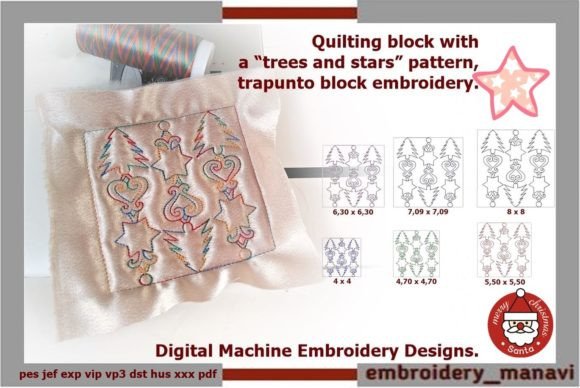
Designs that lose clarity at smaller sizes are a risk. Always test the design on scrap fabric before committing to a final run. Check thread contrast carefully. A dark grey texture on a black shirt will vanish, ruining the visual appeal. Confirm the hoop size required for the full texture; some complex backgrounds need larger hoops to maintain stitch integrity without distortion.
The Designer's Checklist for Success
To turn this digital embroidery file into a best-selling finished product, follow these steps derived from years of booth experience:
- Test on Scrap: Never skip this step. Stitch the texture on the exact fabric you plan to sell to check for tension issues.
- Check Thread Contrast: Ensure the thread colors chosen for the texture complement the base fabric and the main design elements.
- Review Spacing: Make sure there is enough negative space around the texture so the design breathes and doesn't look cluttered.
- Confirm Hoop Size: Verify that your machine can handle the dimensions of the texture without requiring excessive trimming.
- Inspect Stitch Density: High-density areas can cause fabric warping. Adjust the settings if necessary to prevent damage to delicate materials.
- Use the Right Stabilizer: A stable foundation is non-negotiable for textured backgrounds. Use cut-away stabilizers for stability on stretchy fabrics like those used for caps and tote bags.
- Create Real Mockups: Before listing, create at least one real mockup. Photos of actual stitched samples sell better than computer-generated images.
- Compare Fabric Colors: Test the texture on different colorways of your primary fabric to find the most appealing combination.
- Verify Licensing: Confirm commercial licensing terms before selling finished products made with these design assets. Most collections allow end-product sales, but double-check the specifics.
Final Thoughts on Visual Appeal and Value
The true power of Embroidery Fabric Texture Backgrounds lies in its ability to boost buyer engagement. When a customer sees a product with rich, detailed texture, they assume higher quality. This perception directly impacts the price you can charge and the speed at which your items sell. It strengthens your booth display strength by adding variety and depth to your presentation.
For creative entrepreneurs and boutique makers, this collection is more than just a graphic; it is a strategic asset. It allows you to create a cohesive line of commercial embroidery products that look expensive and professionally finished. Whether you are making stationery, gift wrap, textiles, or home deco, these backgrounds provide the professional touch needed to compete in today's saturated handmade market.
By integrating these textures thoughtfully, you move beyond simple decoration and create pieces that tell a story of craftsmanship. Remember to test thoroughly, plan your production carefully, and trust your eye for design. With the right execution, Embroidery Fabric Texture Backgrounds will become a staple in your toolkit for creating standout handmade product lines that customers cannot resist.