Embroidery Line Textile Wallpaper Design Review
As an experienced embroidery designer, I recently came across the Embroidery Line Textile Wallpaper Design, and I wanted to put it through its paces. This design is meant for craft fair sellers, handmade shop owners, Etsy sellers, and creative entrepreneurs who are looking for a versatile pattern that can be applied to a wide range of products. Let's dive into how this ethnic pattern vector with a geometric handcraft motif background stacks up in real-world scenarios.
First Impressions: A Bold and Decorative Statement
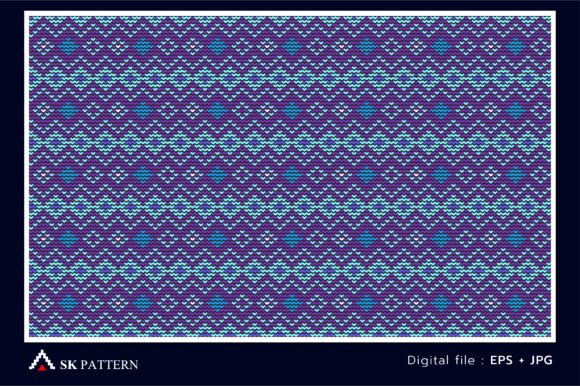
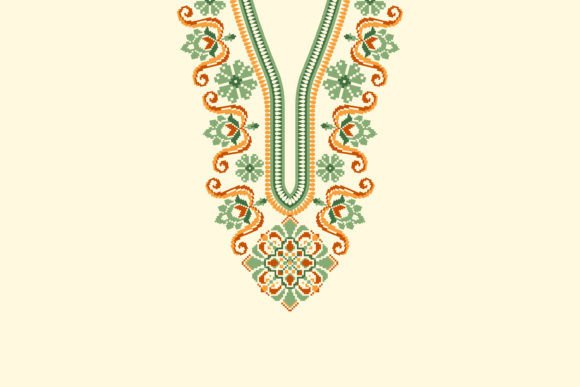
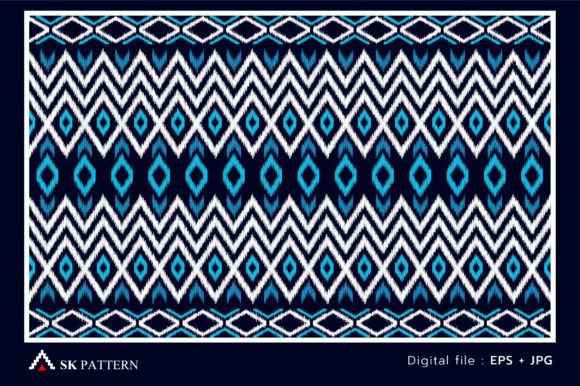
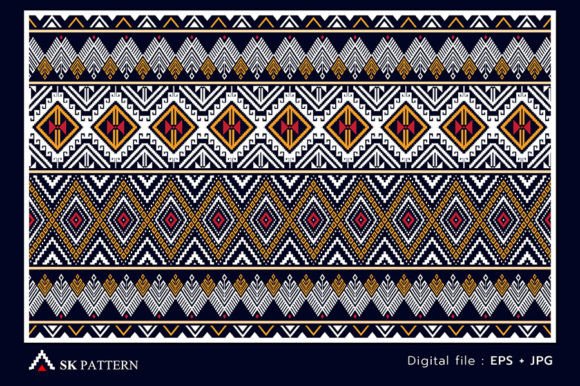
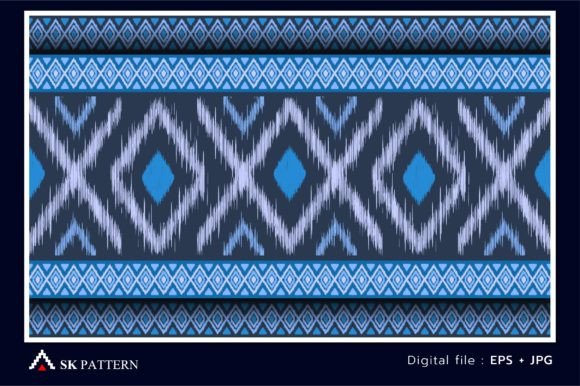
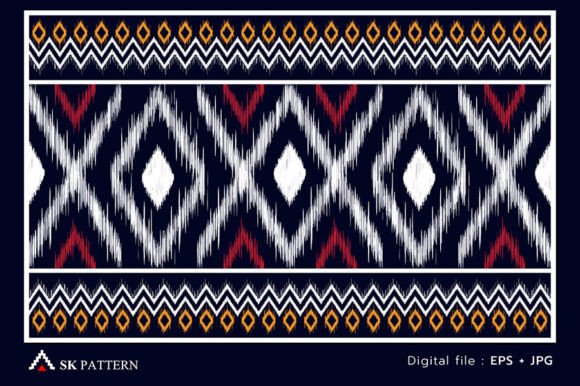
The first thing that stands out about the Embroidery Line Textile Wallpaper Design is its visual impact. The geometric handcraft motif background gives it a bold yet elegant feel that leans towards the decorative and modern side. It’s not overly cute or rustic, which makes it suitable for a broader audience. The ethnic pattern vector adds a touch of global flair, making it ideal for boutique makers and those targeting a premium market.
Performance on Craft Fair Products
This design shines when applied to products like tote bags, aprons, tea towels, and pillow covers. The Embroidery Line Textile Wallpaper Design has enough detail to make a statement without overwhelming the fabric. On a tote bag, it works as a focal point, especially if the rest of the bag is kept simple. For aprons, it can be used as an accent along the waistband or pocket area, adding a unique touch to a functional item.
On kitchen towels, the geometric handcraft motif brings a sense of texture and interest that elevates the product from basic to handmade quality. When applied to small items like patches or caps, the design needs careful scaling to ensure clarity. It’s best suited for larger areas where the ethnic pattern vector can breathe and maintain its integrity.
Practical Selling and Production Considerations
One of the key selling points of the Embroidery Line Textile Wallpaper Design is its readability at a glance. The machine embroidery design is easy to understand, which is crucial for both production and customer appeal. It works well as a large focal design but can also be adapted as a smaller accent with some reworking.
For online listings, the included jpg files (5665 x3500 pixels, 300dpi) provide excellent resolution for printable mockups and Etsy listings. However, when photographing the finished product, lighting and fabric texture play a big role in showcasing the design effectively.
Repeatable batch production is another plus. The digital embroidery file format allows for consistent output, which is essential for small shop products and commercial embroidery. That said, it's important to test the design on scrap fabric first to check stitch density and thread contrast. Using the right stabilizer and confirming hoop size will help avoid any issues during mass production.
Careful-Use Notes for Embroidery Designers
While the Embroidery Line Textile Wallpaper Design is visually appealing, there are a few considerations for designers. Dense stitch areas may require additional support, especially on textured towels or dark fabrics. Tiny details in the ethnic pattern vector might get lost at smaller sizes, so it's best to confirm that the design scales well before finalizing production.
Curved cap surfaces and thick fabrics could affect the final look, so testing the design on different materials is recommended. Also, checking thread colors against fabric textures ensures that the embroidery file remains vibrant and clear.
Visual Appeal and Booth Display Strength
The Embroidery Line Textile Wallpaper Design has strong visual appeal that can draw attention at a craft fair booth. It adds a layer of sophistication to handmade products like embroidered patches, fabric pouches, and market bags. When displayed alongside other craft fair products, it helps create a cohesive brand identity and showcases the quality of your work.
For handmade product displays, pairing this design with minimalist items can highlight its decorative nature. It also works well as a sample piece in a booth, giving potential buyers a tangible idea of what they can expect from your small shop product line.
Embroidery Designer Tips for Success
To ensure the best results with the Embroidery Line Textile Wallpaper Design, follow these tips:
- Test on scrap fabric: Always do a trial run to check stitch density and thread visibility.
- Check thread contrast: Ensure the colors complement the fabric texture and do not fade over time.
- Review spacing: Confirm that the geometric motifs have enough space between them to avoid overcrowding.
- Confirm hoop size: Use the appropriate hoop size to maintain design accuracy.
- Inspect stitch density: Adjust as needed for different fabric types.
- Use the right stabilizer: Especially important for textured or thick materials.
- Create a real mockup: This helps visualize the final product and spot any potential issues.
- Compare fabric colors: Make sure the design translates well onto various fabric shades.
- Confirm commercial licensing: Before selling finished products, verify that you have the right to use the digital embroidery file.
In conclusion, the Embroidery Line Textile Wallpaper Design offers a unique blend of elegance and versatility that can elevate a wide range of handmade product lines. Whether you're an Etsy seller, a boutique maker, or a craft fair vendor, this machine embroidery design has the potential to stand out and attract buyers looking for something special. Just remember to test, adapt, and ensure quality for the best results.