Persian Knitted Embroidery: A Designer's Review for Personalized Gifts
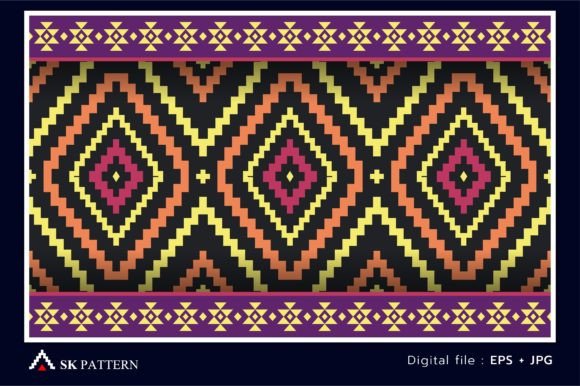
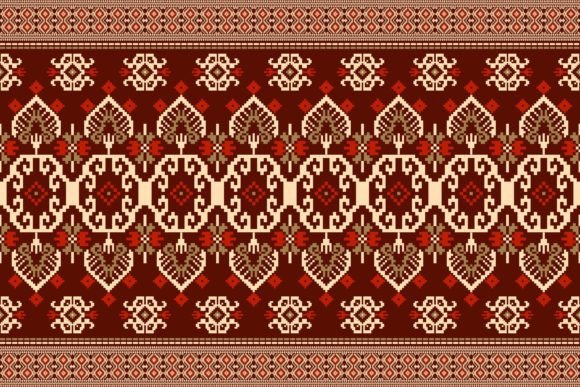
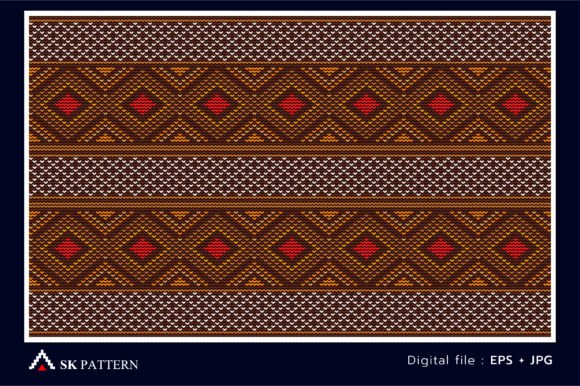
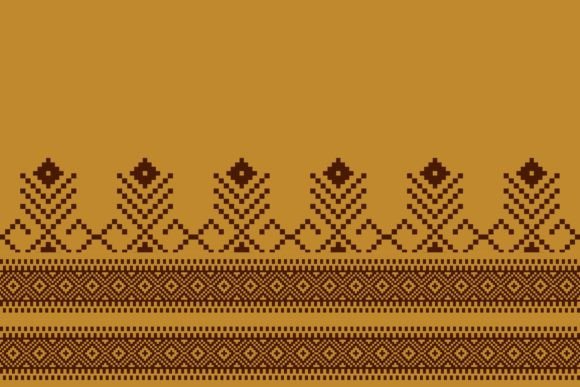
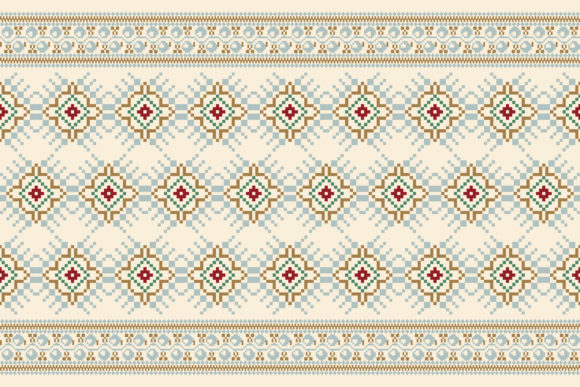
As an experienced embroidery designer who has spent years refining patterns for the handmade market, I recently had the opportunity to test Persian Knitted Embroidery before incorporating it into my own personalized gift shop. This design falls under the Patterns and Graphics categories, offering a unique blend of geometric ethnic oriental motifs on a cream background. My goal was to determine if this machine embroidery design would hold up as a premium finished product for customers seeking meaningful keepsakes.
The First Impression: Mood and Charm
When I first opened the digital file, the mood of Persian Knitted Embroidery immediately stood out. It strikes a perfect balance between classic elegance and modern playfulness. The Aztec-style abstract elements give it a contemporary edge, while the traditional oriental roots provide a sense of warmth and heritage. For an Etsy seller or small business owner looking to create high-value items, this emotional appeal is crucial.
The design feels inherently handmade, even though it is a digital vector illustration intended for stitching. The cream background suggests a softness that pairs beautifully with natural fibers like cotton, linen, or wool. It does not feel overly rigid; instead, it invites the viewer to imagine the texture of the stitches. This visual promise translates well into real-world products, making it an excellent choice for baby blankets, nursery decor, or cozy aprons.
Perfect Applications for Your Gift Shop
I tested several concepts to see where Persian Knitted Embroidery shines brightest. The versatility of this design makes it a powerhouse for various personalized gifts.
- Baby Embroidery: The gentle cream tones and soft geometric shapes are ideal for baby blankets or onesies. Parents love items that feel both protective and artistic. This design adds a touch of sophistication without being too serious for a nursery.
- Wedding Keepsakes: Imagine a custom pillow cover embroidered with this pattern for a newlywed couple. The ethnic pattern speaks to tradition, while the abstract nature allows it to fit any wedding theme, from bohemian to modern rustic.
- Kitchen Textiles: An embroidered towel featuring this design would be a stunning housewarming gift. The cream background hides minor stains better than white, and the pattern adds character to a kitchen that often lacks personality.
- Custom Tote Bags: For the craft fair enthusiast, placing this design on a canvas tote bag creates a stylish accessory. The geometric flow works well when centered on the bag, drawing attention to the craftsmanship.
For the digital product seller, this design serves as a fantastic base for creating printable mockups. You can visualize how the embroidery file looks on different fabrics before selling the physical item, helping to build trust with your buyers.
Who Will Love This Design?
The target audience for Persian Knitted Embroidery is broad but specific in its tastes. It appeals to customers who appreciate cultural artistry mixed with modern aesthetics. If you are running a small shop product line focused on handmade quality, this design attracts buyers who value uniqueness over mass-produced uniformity. It is particularly strong for custom order previews where clients want to see something distinct from standard floral or monogrammed options.
Where to Use Caution: Practical Limitations
While the design is beautiful, every professional knows that execution matters more than the concept alone. There are specific scenarios where Persian Knitted Embroidery requires careful planning.
First, avoid using this design on dark fabric unless you plan to use heavy backing or a contrasting thread color scheme that might alter the original aesthetic. The cream background is part of the design's charm, and stitching directly onto black fabric will lose that airy feel. Similarly, textured fabrics like thick towels or chunky knits can obscure the fine details of the geometric pattern. The stitches may get lost in the pile of the fabric, reducing the perceived value of the finished product.
Stretchy baby clothes are another area to approach with caution. While the design is lovely, dense stitch density can cause puckering on stretchy jersey or knit materials if not stabilized perfectly. Curved surfaces, such as rounded hat brims or fitted sleeves, can also distort the geometric lines of the Aztec style. For these items, I recommend testing on scrap fabric first to ensure the hoop size accommodates the curve without distortion.
Impact on Giftability and Perceived Value
In the world of online sales, the perceived value of a personalized gift is often determined by the quality of the finish. Persian Knitted Embroidery elevates a simple item into a luxury piece. When a customer receives a pillow cover or a blanket with this level of intricate detail, they feel a stronger emotional connection to the maker. This builds long-term loyalty for your brand.
Furthermore, the design enhances product photography. The contrast between the cream background and the colored threads creates depth in photos, which is essential for engaging buyers on platforms like Etsy. A clear image of the finished product showing the texture of the stitches helps buyers understand exactly what they are purchasing, reducing returns and increasing satisfaction.
Essential Technical Notes for Success
To ensure your Persian Knitted Embroidery projects succeed, there are several technical steps you must take before starting production. These notes are based on my experience testing similar files for commercial embroidery.
- Test on Scrap Fabric: Always run a test stitch on a scrap piece of the same fabric you intend to use. This reveals how the material reacts to the needle and stabilizer.
- Check Thread Color Contrast: Since the design features a cream background, ensure your thread colors pop against the fabric. Darker threads work best for definition, while lighter threads may require a denser stitch setting.
- Confirm Hoop Size: Verify that your embroidery machine's hoop can accommodate the full dimensions of the design. If the design is large, you may need to split it or use a larger hoop to prevent cropping.
- Review Stitch Density: High-density areas can cause issues on thin fabrics. Adjust the settings if necessary to prevent the fabric from pulling or the stitches from overlapping too much.
- Use Proper Stabilizer: For items like blanket embroidery or pillow covers, a cut-away stabilizer is often recommended to maintain the shape and prevent distortion over time.
- Compare Light and Dark Mockups: Create digital mockups on both light and dark backgrounds to see how the design translates visually before cutting any fabric.
- Check Small Details: After stitching, inspect the smallest geometric points. If they look blurry or merged, you may need to adjust the digitization or reduce the design size slightly.
- Confirm Commercial Licensing: Before selling finished products, double-check the license terms of the digital embroidery file. Ensure you have the right to sell items made with this design.
Final Thoughts for the Maker
Persian Knitted Embroidery is a versatile and charming addition to any embroidery designer's toolkit. Whether you are creating a one-of-a-kind wedding gift or scaling up production for an Etsy listing, this design offers a blend of tradition and modernity that resonates with today's consumers. By paying attention to fabric selection, stabilization, and testing, you can transform this graphic into a tangible masterpiece that brings joy to your customers.
Remember, the success of your handmade product lies in the details. Take the time to perfect your setup, and let the beauty of the Persian-inspired pattern do the rest. With the right approach, this design will become a staple in your catalog, attracting buyers who seek quality, emotion, and artistry in every stitch.