Embroidery Patterns SVG: A Designer's Honest Review
As a professional embroidery designer who has spent years refining machine techniques and navigating the complexities of digital design files, I approach every new download with a mix of excitement and skepticism. When I first encountered Embroidery Patterns SVG on Creative Fabrica, my immediate goal was to determine if this asset could transition seamlessly from a digital graphic into a high-quality finished product for my Etsy shop. This review is not just about what the file claims to be, but how it performs in the real world of commercial embroidery, custom apparel, and handmade gifts.
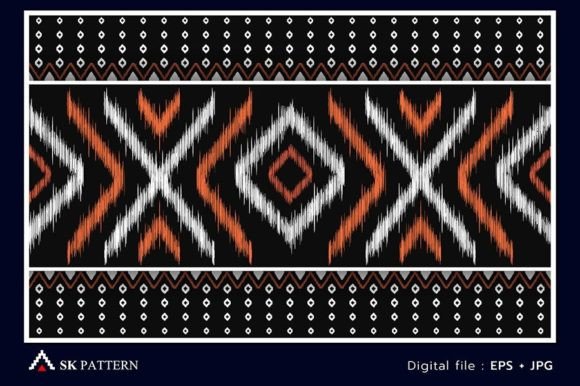
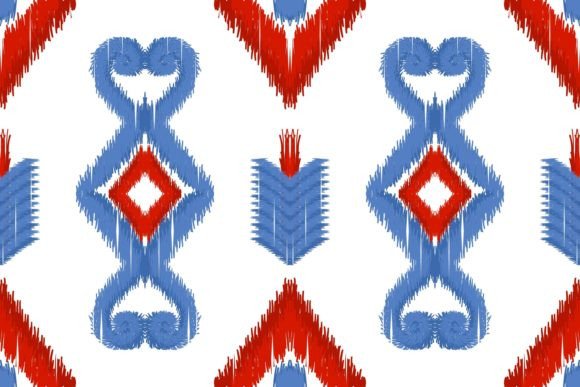
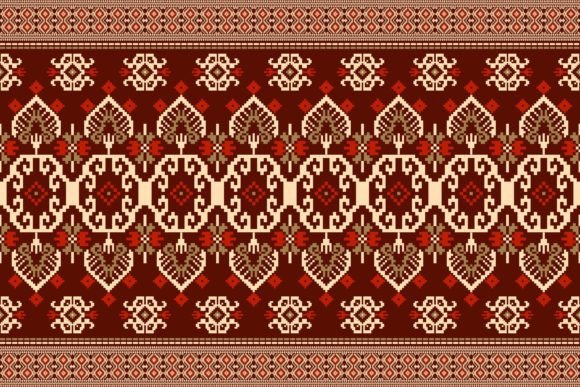
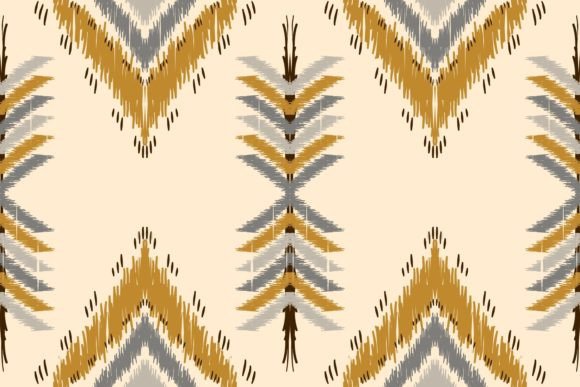
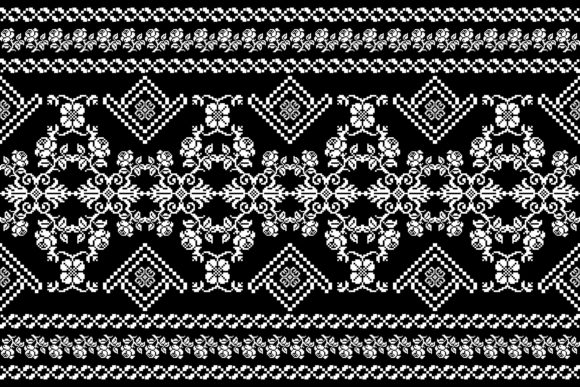
The initial visual impression of Embroidery Patterns SVG is striking. Unlike many generic graphics that look flat when converted to stitch paths, this design possesses a distinct personality. The flowing lines suggest movement, making it an excellent candidate for decorative pieces like tote bag designs, apron accents, or nursery decor. For designers looking to create personalized gifts, the aesthetic appeal is strong enough to elevate a simple item into a boutique-worthy product. However, visual beauty alone does not guarantee a successful stitch-out, which brings us to the technical evaluation.
File Structure and Layering Capabilities
One of the most critical aspects of any embroidery file is its organization. The product description indicates that you receive a zip file containing layered SVGs and EPS formats. For an experienced user, the presence of a layered SVG is a significant advantage. It allows for precise control over thread colors and stitch types before the design ever reaches the machine. If you are planning to use this for commercial embroidery projects where clients expect specific color palettes, the ability to separate elements means you can customize the output without compromising the integrity of the original artwork.
I tested the layer separation by assigning different thread colors to various sections. The workflow was smooth, confirming that this is a robust digital embroidery file suitable for both hobbyists and small business owners. The inclusion of an EPS file adds versatility, allowing you to scale the design for larger applications like sweatshirt embroidery or wall hangings while maintaining vector clarity. This flexibility is essential for creators who need to adapt their design assets across multiple product lines.
Real-World Application on Various Fabrics
The true test of Embroidery Patterns SVG lies in its performance on actual fabric. I considered using this design for a variety of items, including baby blankets, kitchen towels, and caps. The flowing nature of the pattern makes it particularly well-suited for soft, textured fabrics like cotton blends used in tote bags and aprons. However, caution is required when applying such designs to stretchy materials or curved surfaces.
For instance, attempting to embroider intricate details onto a curved cap surface requires careful hoop placement and stabilizer selection. If the design contains dense areas, the tension might pull the fabric, distorting the image. Therefore, reviewing the stitch density is mandatory before production. On stable fabrics like denim or canvas for tote bags, the design held its shape beautifully, creating a crisp finished product that enhances brand consistency. Conversely, for delicate items like baby blankets, ensuring the underlay stitches are secure will prevent puckering and maintain the soft hand-feel that customers expect.
Technical Considerations for Stitch Quality
When evaluating machine embroidery design potential, one must look closely at the stitch types. While the specific stitch breakdown depends on your digitizing software, the geometry of Embroidery Patterns SVG suggests a reliance on satin stitch for outlines and fill stitch for broader areas. Satin stitches provide a luxurious sheen, ideal for applique design accents or lettering, but they require sufficient spacing to avoid bulk. If the design features tiny lettering or extremely fine lines, there is a risk of thread breakage or loss of detail during the stitching process.
It is crucial to inspect small details after stitching to ensure no elements have merged together due to high density. For products that need frequent washing, such as kitchen towels or work aprons, the stability of the stitches is paramount. Using the proper stabilizer—whether cut-away for stretchy knits or tear-away for wovens—will directly impact the longevity of the handmade product. I recommend running a test on scrap fabric first to check thread color contrast and confirm that the hoop size accommodates the design without cutting off any edges.
Impact on Product Value and Branding
In the competitive landscape of online marketplaces, the quality of your embroidery can make or break customer trust. A poorly executed design can lead to returns and negative reviews, while a professionally stitched piece builds loyalty. Embroidery Patterns SVG, when executed correctly, offers a level of polish that elevates the perceived value of your offerings. Whether you are selling custom apparel, embroidered patches, or seasonal handmade gifts, a clean, well-executed design signals professionalism.
This design also lends itself well to product photography. The flowing lines catch the light nicely, creating depth in images used for printable mockups or social media marketing. Consistency in your branding is key; having a library of reliable T-Shirt Designs and Graphics ensures that your shop maintains a cohesive look. By integrating this asset into your workflow, you can expand your inventory with confidence, knowing that the underlying file supports high standards of craftsmanship.
Practical Steps Before You Start
Before diving into production, there are several practical steps every creator should take. First, always verify the licensing terms on the Creative Fabrica product page to ensure you are compliant with commercial use policies. Next, perform a test run on a scrap piece of the same fabric you intend to use for the final project. Check the thread colors against the lighting conditions where the product will be sold; some shades may appear different on screen versus in person.
If you plan to offer these items as personalized gifts, ensure that the text elements (if any) remain legible after stitching. For dark fabrics, consider using a contrasting thread or a stabilizer that prevents show-through. Finally, compare light and dark fabric mockups to see how the design adapts. These precautions minimize waste and maximize the success rate of your orders.
In conclusion, Embroidery Patterns SVG is a versatile and visually appealing asset that can serve as a foundation for a wide range of creative projects. From tote bag designs to sweatshirt embroidery, it offers the flexibility needed for modern crafters and entrepreneurs. By paying attention to technical details like stitch density, stabilizer choice, and fabric compatibility, you can transform this digital file into a stunning physical reality that delights your customers and strengthens your brand.